


Chimney Crown Repair Services
A chimney crown is the protective surface at the very top of the chimney system. It’s designed to shed water away from the flue opening and help keep moisture from soaking into chimney masonry. When the chimney crown cracks, separates, or deteriorates, water can enter the chimney, saturate masonry, and begin a chain reaction of damage—spalling brick, failing mortar joints, rusting components, and even interior staining near the fireplace.
At Delta – Chimney Repair and Services, we provide chimney crown repair services that stop moisture at the source and restore the top protection your chimney needs. Whether your crown needs targeted crack sealing, professional crown repair, or a full rebuild, our goal is the same: protect the chimney, support safer fireplace operation, and prevent expensive masonry problems that grow over time.
Based in Park Ridge, IL, we provide professional chimney crown repair services to homeowners throughout the surrounding suburbs.
If you suspect a chimney crown issue, don’t wait. A small crack can turn into a recurring chimney leak, accelerated masonry deterioration, and larger chimney repair work later. Timely repair is almost always the most cost-effective path.
What Is a Chimney Crown?
A chimney crown is typically made from concrete or mortar and sits on top of the chimney structure. The crown’s purpose is to:
- Direct rain and snowmelt away from the chimney
- Prevent water from pooling near the flue opening
- Reduce moisture absorption into masonry and chimney brick
- Protect the upper chimney from weather exposure, including freeze-thaw cycles
When a chimney crown is intact and properly sloped, it helps your chimney system stay dry and stable. When the crown is compromised, water can enter hairline cracks and spread downward, weakening chimney masonry and increasing the likelihood of chimney repair needs. Over time, crown damage can contribute to fireplace moisture problems, odors, rust, and reduced performance.
The Biggest Risks of a Damaged Crown
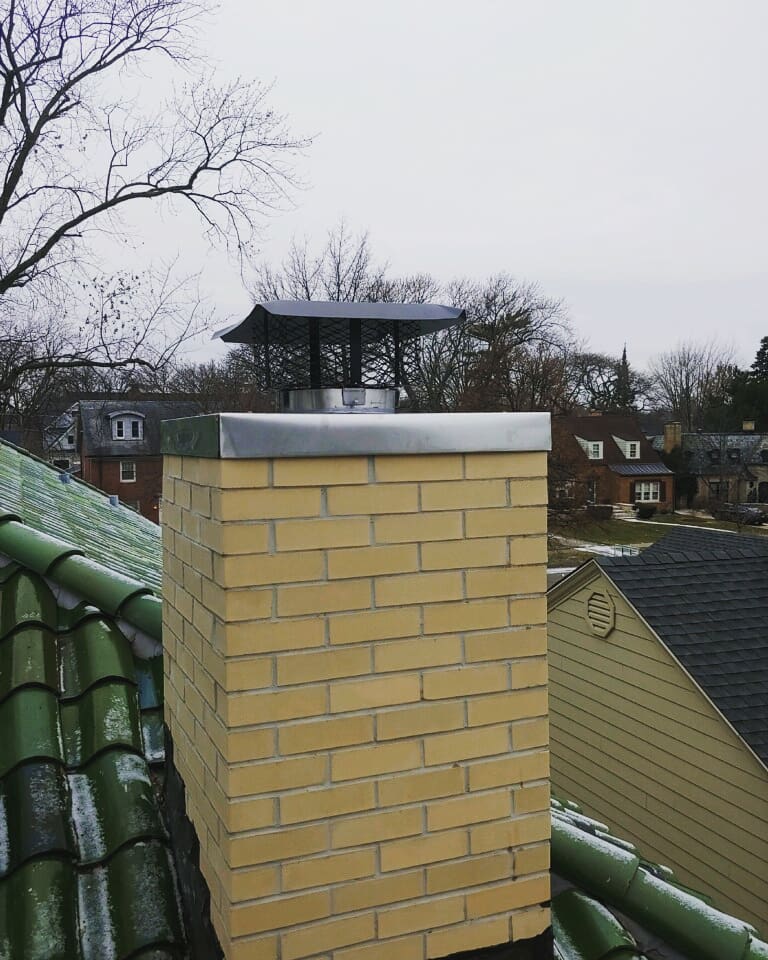
A cracked crown isn’t just a cosmetic issue. It’s one of the most common pathways for water intrusion and long-term chimney damage.
- Water intrusion: A damaged chimney crown allows water into chimney masonry and chimney brick.
- Freeze-thaw expansion: Water trapped in crown cracks freezes and expands, worsening crown damage.
- Masonry deterioration: Saturated masonry breaks down faster, increasing future chimney repair scope.
- Interior moisture: A chronic chimney leak can show up as staining near the fireplace or dampness in adjacent areas.
- Higher repair costs: Early crown repair is simpler than later restoration or structural chimney repair.
If you’re experiencing ongoing moisture issues, a professional chimney service evaluation helps determine whether the crown is the source—or whether flashing, caps, or masonry are involved.
Signs You Need Chimney Crown Repair
Here are common signs that indicate your chimney crown may need crown repair:
Visible Cracks, Chips, or Separation
Cracks across the crown or along the edges can allow water to enter the chimney structure. Even small cracks can grow and lead to bigger crown repairs.
Water Leaks or Dampness
Moisture inside the chimney after storms or snowmelt is often a clue that the chimney crown is compromised. A recurring chimney leak is a strong reason to schedule chimney inspections.
Spalling Brick or Failing Mortar
When water saturates chimney brick and mortar joints, brick faces can flake and mortar can deteriorate. This can lead to chimney repair and chimney masonry work if not addressed early.
Rusting Components or Fireplace Moisture Issues
Rust or dampness around the fireplace area can be associated with moisture inside the chimney system, especially when the crown is failing.
Loose or Misaligned Chimney Cap
A cap that isn’t seated properly can indicate crown deterioration or cracking at the top of the chimney.
If you notice these issues, the best next step is professional inspections to confirm the cause and recommend the right repair.
Chimney Crown Repair vs. Rebuild: Choosing the Right Fix
Not every crown issue requires a full rebuild. The correct approach depends on crown condition, slope, and overall chimney stability.
When Crown Repair Is the Right Fit
Crown repair typically works well when:
- Cracks are minor to moderate
- The crown structure is stable
- The crown can be sealed and reinforced to reduce water intrusion
In many cases, targeted crown repair prevents moisture from reaching chimney masonry and reduces the need for broader chimney repair later.
When a Rebuild Is the Better Long-Term Option
A rebuild may be recommended when:
- The crown is severely deteriorated or crumbling
- Cracks are widespread and deep
- The crown is poorly sloped and allows water to pool
- Previous patching has failed and moisture intrusion persists
We’ll walk you through what we see during inspections and explain why we recommend a specific repair method.
Note: If your crown is beyond repair, we’ll discuss rebuild options. Replacement is rarely the first choice unless the crown is truly failing and cannot be restored with durable crown repair methods.
Our Chimney Crown Repair Process
Our chimney service approach focuses on durable outcomes that protect the chimney and support reliable fireplace performance.
Detailed Crown Inspection
We begin with a thorough assessment of the chimney crown, crown edges, and surrounding chimney masonry. We look for cracking, separation, spalling, and water entry points. These inspections help determine whether the issue is isolated to the crown or connected to other chimney services such as cap work, flashing, or masonry repair.
Precision Crack Repair and Sealing
For limited damage, we perform precision crown repair using repair materials designed for exterior exposure and moisture resistance. Crack sealing helps block water from reaching chimney masonry and reduces the chance of worsening crown damage.
Partial Rebuild for Damaged Sections
If sections of the crown are deteriorated, we may complete a partial rebuild to restore the crown surface and ensure proper slope for water runoff. This type of crown repair can dramatically reduce moisture exposure at the top of the chimney.
Top Protection Integration
A chimney crown works best as part of a complete top-of-chimney system. If needed, we may recommend additional installation-related improvements such as cap adjustments, sealing, or protective measures to reduce future moisture. Proper installation at the top of the chimney can help extend the life of crown services and reduce repeat repairs.
Final Review and Maintenance Guidance
After crown repairs, we’ll review the work and share practical maintenance tips to help prevent recurring chimney leak issues. Routine maintenance also supports longer-lasting masonry and fewer surprise chimney repair projects.
Why Timely Crown Repair Matters
Crown problems tend to worsen quietly. Delaying crown repair often leads to bigger chimney repair needs and more extensive masonry work.
- More water exposure: A compromised chimney crown lets water reach masonry and chimney brick repeatedly.
- Expanding cracks: Freeze-thaw cycles turn small crown cracks into larger damage.
- Interior issues: Chronic moisture can affect areas near the fireplace and surrounding materials.
- Higher costs: Early crown repair is typically far less expensive than broader chimney repair and restoration work.
If you want to protect your chimney system, timely crown repair is one of the smartest preventive services you can schedule.
How Crown Issues Can Connect to Other Chimney and Fireplace Problems
Many homeowners assume crown damage is “only at the top,” but moisture travels. A failing crown can contribute to:
- Increased masonry wear and chimney masonry deterioration
- Moisture-related odors in the fireplace area
- Rust on components and reduced fireplace reliability
- More frequent chimney repairs over time
That’s why chimney inspections are valuable: they confirm the crown condition and check related areas so your chimney service plan is based on the real cause—not guesses.
Related Services That Often Pair With Crown Services
If you’re dealing with moisture, deterioration, or repeat repairs, these services may be helpful:
- Chimney inspections
- Chimney repair
- Chimney flashing repair:
- Chimney cap repair:
- Fireplace repair:
- Fireplace restoration:
- Fireplace maintenance:
These pages help you understand how different chimney services work together to protect the chimney and the fireplace.
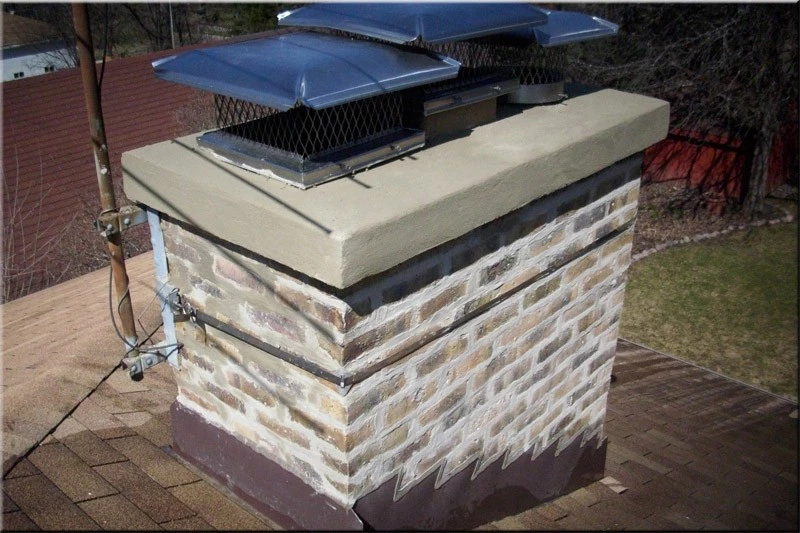
Frequently Asked Questions About Chimney Crown Repair
A leak can come from the chimney crown, cap, flashing, or masonry. The most reliable way to confirm the source is professional chimney inspections.
Yes. If the crown is structurally sound, chimney crown repair can involve sealing and reinforcing cracks. This crown repair approach is common when the damage is limited and the crown slope is still functional.
If the crown is crumbling, poorly sloped, or heavily cracked, crown repairs may not hold long-term. In that case, rebuilding the crown is often the more durable solution to protect the chimney and reduce repeat chimney repair needs.
Not always. Many crown issues can be resolved with crown repair before chimney brick or chimney masonry is significantly affected. If masonry is already deteriorating, you may need chimney repair as well
Request a Free Estimate
If your chimney crown is cracked or deteriorating, don’t wait for moisture to spread into chimney masonry and chimney brick. We’ll complete inspections, explain the repair options clearly, and recommend the right crown repair approach to protect your chimney and fireplace.
Call (847) 482-1800 or request an estimate online.
Delta – Chimney Repair and Services
1550 N Northwest Hwy #108F, Park Ridge, IL 60068, United States