


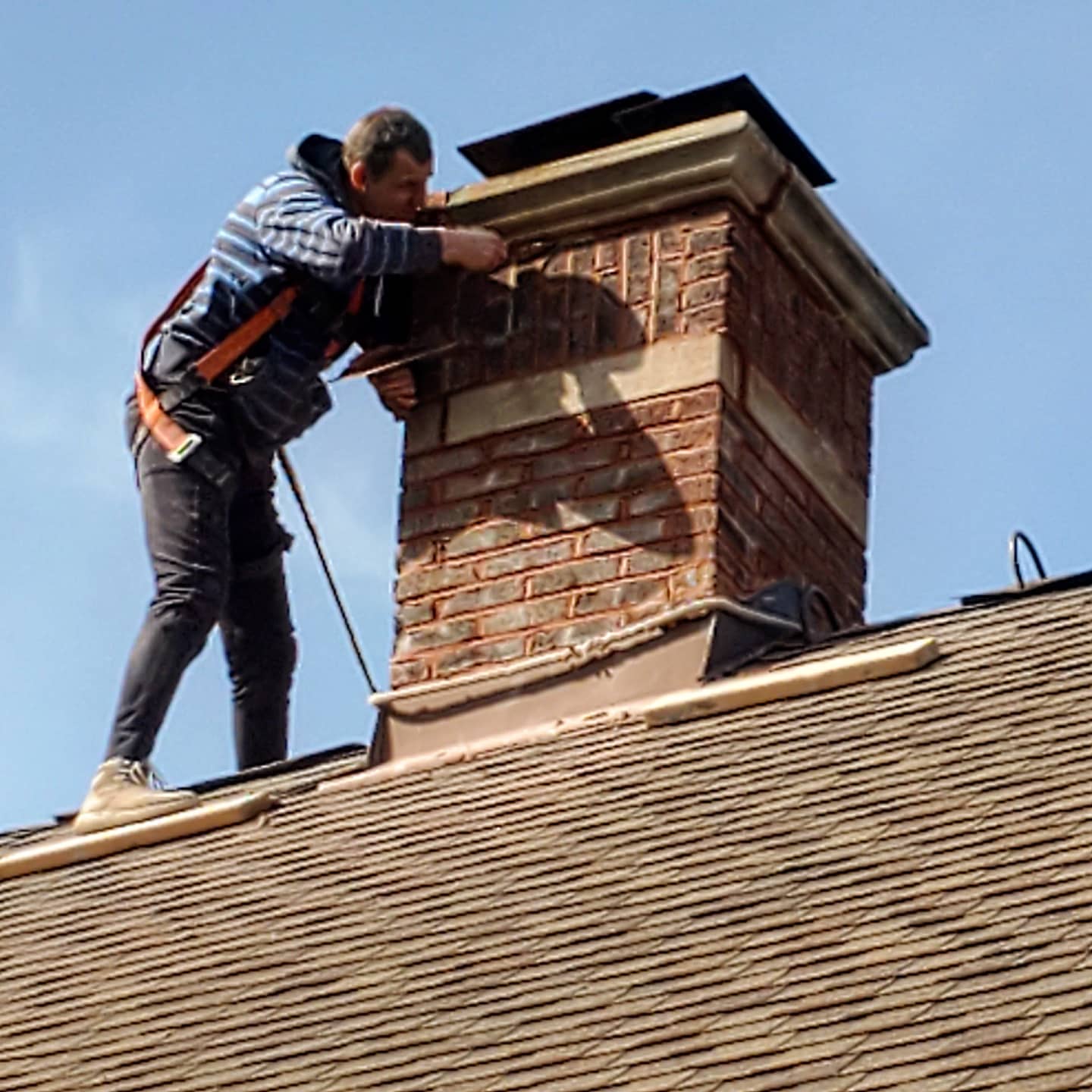
When homeowners think about chimney maintenance, their minds immediately go to fire prevention—cleaning out flammable creosote and ensuring sparks are contained. It’s a valid and critical concern. But what if the most immediate dangers aren’t the ones that burn, but the ones you breathe? While fire prevention is absolutely essential, the structural and functional condition of your chimney is directly linked to the air quality and the health of everyone in your home. That faint, musty smell or the unexplained headaches could be tied to issues hidden deep within your chimney’s masonry.
This article will pull back the curtain on the health hazards that go beyond soot and flames. We will explore three categories of hidden dangers that a professional chimney inspection is designed to uncover: the invisible gas of carbon monoxide that can result from blockages; the silent, allergenic growth of mold and mildew from unseen water leaks; and the unwanted, disease-carrying pests that see your chimney as an open invitation. Knowing these risks is the first step toward creating a truly safe home environment.
The Invisible Threat: Carbon Monoxide & Your Chimney
Beyond its role for a traditional fireplace, your chimney often serves as the primary exhaust vent for the hardest working appliances in your home, including furnaces, boilers, and water heaters. These systems produce various byproducts during combustion that must be safely channeled outside. When a blockage occurs in the chimney, however, it prevents these gases, including deadly carbon monoxide (CO), from escaping. This effectively puts a cork in the bottle, forcing these dangerous fumes back into your living space.
These critical blockages can be caused by a number of common culprits. Heavy creosote buildup from wood burning, debris like leaves and sticks falling into an uncapped chimney, and nesting materials from animals can all create a formidable barrier. The danger of Carbon Monoxide lies in its insidious nature; it is completely colorless, odorless, and tasteless, earning it the name “the silent killer.” The initial symptoms of CO poisoning are often mistaken for the flu, including headaches, dizziness, and nausea. Without a working CO detector and a clear chimney flue, a home can become a trap, allowing this toxic gas to build to lethal levels without any obvious warning.
The Silent Spreader: Mold, Moisture & Respiratory Health
A persistent musty odor in your home is more than just an unpleasant smell; it’s a red flag for moisture intrusion, and your chimney is a primary suspect. Chimney leaks, often caused by a cracked chimney crown, failing flashing, or porous bricks, allow water to seep into the chimney’s structure and the adjacent walls of your home. This creates the perfect breeding ground for mold and mildew, which thrive in dark, damp, and undisturbed environments.
The presence of mold spores in your home’s air can lead to a host of health issues, particularly for the most vulnerable members of your family. For individuals with asthma or allergies, mold can be a powerful trigger, leading to increased attacks and respiratory distress. Even for those without pre-existing conditions, exposure can cause a range of allergic reactions, including persistent sneezing, coughing, itchy eyes, and skin irritation. If you are struggling with unexplained respiratory issues, a leaking chimney could be the hidden source, silently compromising your home’s air quality and your family’s well-being.
The Unwanted Guests: Pests, Nests & Disease
To a squirrel, bird, or raccoon, a chimney without a proper cap looks like a tall, sturdy, and perfectly sheltered tree trunk—an ideal place to build a home. These unwanted guests pose a dual threat to your household. First, their nesting materials—made of highly flammable twigs, leaves, and debris—create the very blockages that can lead to a chimney fire or a dangerous carbon monoxide backup.
Second, and more uniquely, these animals introduce a significant biohazard risk into your home. Their droppings can harbor dangerous bacteria and fungi. One of the most notable risks is Histoplasmosis, a lung infection caused by inhaling spores from a fungus found in bird droppings. Furthermore, these pests can bring parasites like fleas and ticks along with them, which can easily find their way from the chimney into your home’s living areas. An animal nest is not a harmless nuisance; it is a source of both structural blockage and potential disease.
Your First Line of Defense: A Comprehensive Health & Safety Inspection
So how can you defend your home against these invisible threats? The single most effective measure is a professional chimney inspection that treats your chimney system as a component of your home’s overall health. At Delta Chimneys, our certified technicians are trained to look far beyond the obvious signs of fire risk. We perform a comprehensive health and safety audit designed to give you a complete picture of your chimney’s condition.
Our process involves checking for any blockages that could lead to CO backup. We meticulously identify any signs of water intrusion that could foster mold growth and use advanced tools like high-definition video scanners to inspect the hidden interior of your flue for cracks or damage that the naked eye would miss. We look for any evidence of animal intrusion and ensure your chimney is properly capped to prevent future unwanted guests. This thorough approach allows us to frame our service as an essential part of maintaining a healthy home environment, providing you with the peace of mind that your family is protected from all angles.
Conclusion
It’s clear that a chimney’s responsibilities extend far beyond fire containment. It is a critical component of your home’s ventilation and defense against the elements. A chimney inspection is not just about fire safety; it is a crucial check-up for a system that can harbor toxic gases, harmful mold, and disease-carrying pests. The condition of this single structure is a cornerstone of a healthy home. Protecting your family starts with being informed. Now that you know what to look for, you can take the single most important step toward ensuring the air in your home is safe.
Don’t wait for a musty smell or an unexplained headache to become a serious issue. Take proactive control of your home’s health and safety. If you are concerned about the state of your chimney or want the assurance that comes from a professional evaluation, contact Delta Chimneys today to schedule your comprehensive home health and safety inspection.