


You’re living your life, enjoying your fireplace, when suddenly you notice it—a mysterious water stain spreading across your ceiling. Your heart sinks. You know this means trouble, but you’re not sure where to start.
Here’s what’s really happening: Your chimney flashing is failing, and it’s silently destroying your home from the inside out.
The Silent Destroyer You Never See Coming
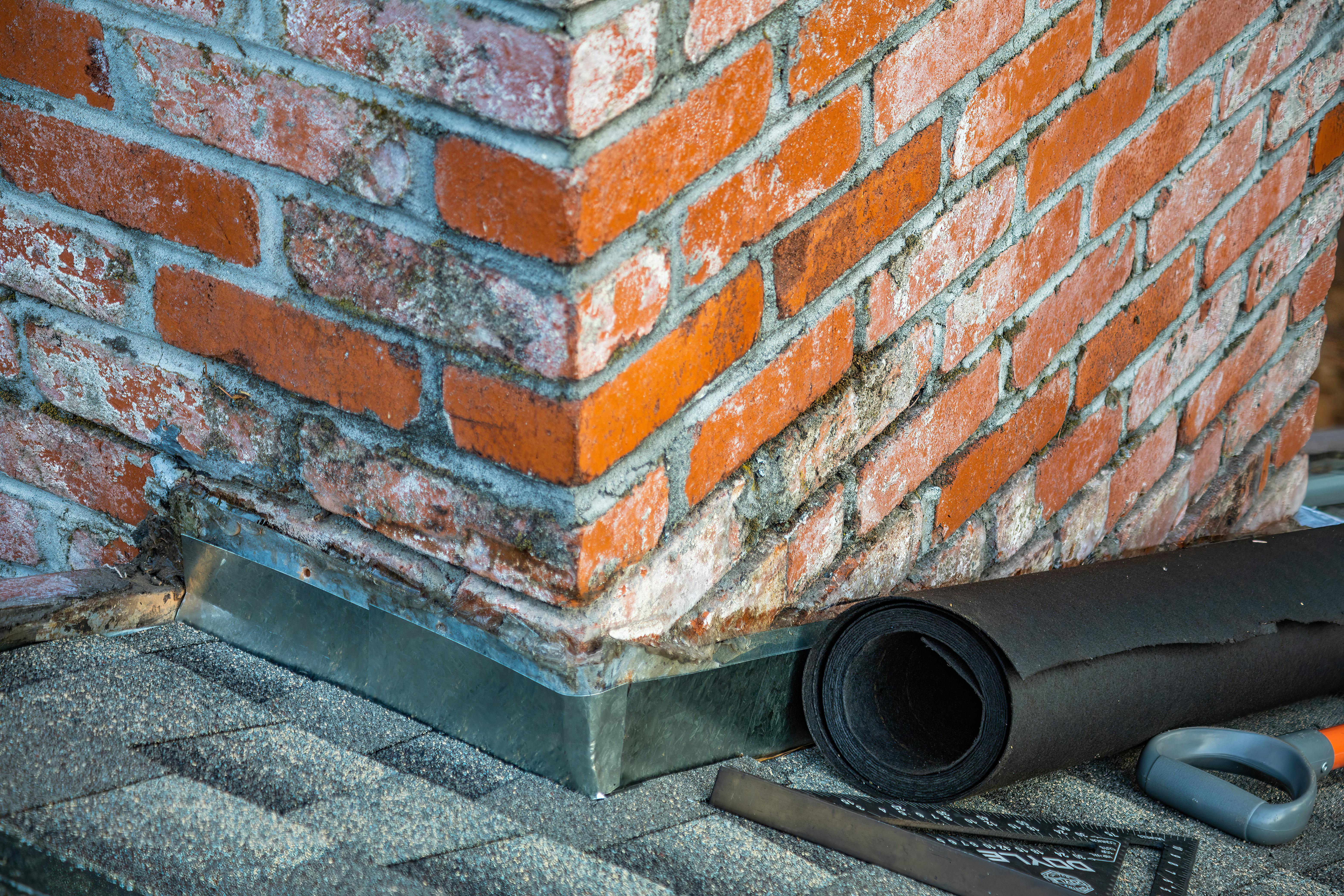
Most homeowners have no idea what chimney flashing even is, let alone how to spot when it’s failing. But here’s the reality—this thin barrier of metal is the only thing standing between your cozy home and thousands of dollars in water damage.
When flashing fails, water doesn’t just drip. It seeps into your walls, rots your wood, grows mold in your insulation, and turns your safe haven into a costly nightmare. We’ve seen it destroy entire attics, damage electrical systems, and force families out of their homes for weeks.
The good news? You can catch these problems before they catch you.
Your Safety Comes First
Before we dive into what to look for, let’s be clear about one thing—your safety matters more than any repair. Don’t climb onto your roof if you’re not comfortable with heights, if the weather is bad, or if you have any doubts about your ability to do it safely. When in doubt, call a professional. No repair is worth risking your life.
The Warning Signs Your Home Is Trying to Tell You
The Rust Monster
When you look at your chimney flashing, you’re searching for enemy number one: rust. It shows up as orange or reddish-brown spots, especially where metal pieces connect. In severe cases, you’ll see the metal actually eating itself away with pits and holes.
Rust means water is already winning the battle. Every rusty spot is a place where water is getting in and weakening your defenses. This isn’t just cosmetic—it’s structural destruction happening in slow motion.
What you need to do: Call a professional immediately. Even small rust spots signal bigger problems brewing underneath. Don’t wait for it to get worse.
The Cracking Seal
Look closely at the caulk and sealant around your flashing—those rubbery lines that fill the gaps between metal and masonry. When you see cracks, missing pieces, or material that looks old and brittle, you’re looking at your home’s broken armor.
These seals are your backup protection. When they fail, water finds every tiny gap and exploits it. It’s like leaving your front door unlocked in a storm.
What you need to do: If it’s just a small crack in an easy-to-reach spot, you might be able to patch it temporarily with high-quality exterior sealant. But if you see widespread damage or you’re not confident in the repair, bring in the pros. They’ll clean everything properly and use the right materials to create a lasting seal.
The Loose Guardian
This is the emergency situation you never want to see—flashing that’s pulling away from your chimney or roof. You’ll notice gaps between the metal and the surfaces it’s supposed to protect, or metal that’s bent and flapping in the wind.
When flashing comes loose, it’s like having a hole in your umbrella during a downpour. Water pours right through, heading straight for your attic, walls, and living space.
What you need to do: Stop everything and call a professional right now. This is not a DIY situation. Loose flashing means water is probably already causing damage inside your home. Every day you wait makes the problem more expensive to fix.
The Botched Job
Sometimes the problem isn’t age or weather—it’s that the flashing was never installed correctly in the first place. Look for long, continuous pieces of metal instead of properly stepped individual pieces, or flashing that doesn’t follow the natural lines of your roof.
Bad installation is like building a house on a shaky foundation. It might look okay for a while, but failure is inevitable. Water will find the design flaws and exploit them.
What you need to do: Call a professional immediately. You can’t patch a fundamental design problem. The entire flashing system needs to be reinstalled correctly, and that requires expertise and specialized knowledge.
The Puncture Wound
Holes in your flashing are exactly what they sound like—openings that let water pour directly into your home. They might be small pin-holes or large tears, caused by falling branches, animals, or even botched repair attempts.
Any hole, no matter how tiny, is a direct pipeline for water damage. It’s like having a leak in your boat—small holes sink ships just as surely as big ones.
What you need to do: Call a professional. While you might be tempted to slap some caulk over a small hole, creating a truly waterproof seal on metal requires the right materials and expertise. Plus, the hole might be a sign of other hidden damage that needs professional assessment.
The Slow Suffocation
Debris around your flashing might not look dangerous, but it’s actually creating a perfect storm for failure. Leaves, twigs, and dirt act like sponges, holding moisture against your flashing and chimney. This constant dampness accelerates rust and deterioration.
Think of it like wearing wet clothes in winter—the longer the moisture stays, the more damage it causes.
What you need to do: If it’s just light debris, you can carefully brush it away by hand, being careful not to damage the flashing. But if there’s significant buildup or you suspect the constant moisture has already caused damage, have a professional inspect the area after you clean it.
The Interior Betrayal
Sometimes the first sign of flashing failure isn’t on your roof—it’s on your ceiling. Water stains, damp spots, or actual dripping near your chimney are your home’s way of screaming for help.
When you see interior water damage, the battle is already lost. Water has breached your defenses and is now attacking your home from the inside.
What you need to do: Call a professional immediately. Active leaks mean active damage. Every hour you wait, more water is soaking into your walls, insulation, and structure. The source needs to be found and stopped right now.
Why You Need a Professional on Your Side
This guide gives you the power to spot problems, but some damage hides where you can’t see it. Rust under shingles, subtle cracks in mortar, and hidden structural issues require trained eyes and specialized tools to detect.
More importantly, fixing flashing problems requires specific knowledge about how water moves, which materials work together, and how to create seals that will last for decades. One mistake can turn a small repair into a major reconstruction project.
At Delta Chimneys, we’ve seen every type of flashing failure imaginable. We know how to diagnose the real problem, not just treat the symptoms. Our certified technicians have the expertise to create lasting repairs that give you true peace of mind.
The Best Defense Is a Good Offense
Here’s the secret successful homeowners know: prevention beats repair every time. Regular annual chimney inspections catch small problems before they become expensive disasters. A professional eye can spot subtle signs of wear and tear that would be invisible to you until it’s too late.
Think of it as an insurance policy that actually prevents the claim from happening in the first place.
Your Next Move
You now have the knowledge to spot the warning signs before they destroy your home. But knowledge without action is just expensive education.
If you’ve noticed any of these warning signs, don’t wait for the problem to get worse. Don’t gamble with your family’s safety and your home’s integrity.
Contact Delta Chimneys today for a professional inspection. Our certified technicians will give you the straight truth about your chimney’s condition and provide you with a clear plan to protect your home.
Your future self—and your bank account—will thank you for taking action now instead of waiting for disaster to strike.
Ready to protect your home? Visit our website or call us directly to schedule your inspection. Because when it comes to your family’s safety, there’s no such thing as being too careful.